Architecture begins with people and place.
Discover how buildings bring together purpose, structure, materials, climate and the experience of the people who use them.
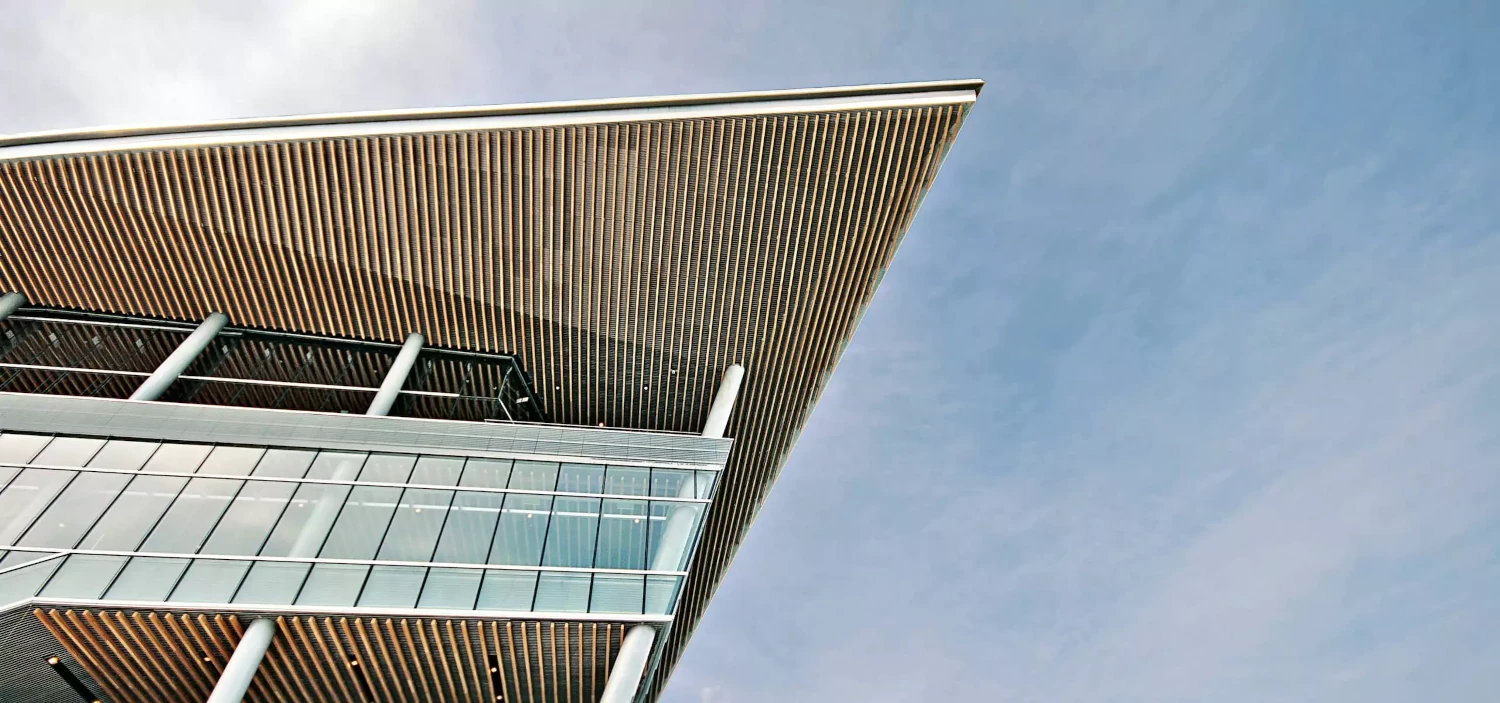
What is architecture?
Architecture is the art and practice of planning and designing buildings and other built environments. It combines creative thinking with technical knowledge to shape spaces that respond to human needs, site conditions, safety requirements and cultural context.
Five ideas that shape a building
1. Function and use
A building should support the activities it is designed for. Understanding users, movement, accessibility and daily routines helps determine the arrangement of spaces.
2. Form and proportion
Form describes a building's overall shape and composition. Proportion, scale and rhythm influence how its parts relate to one another and how people perceive it.
3. Site and context
Orientation, neighbouring buildings, landscape, local culture, views and climate all influence design decisions. A building is never entirely separate from its surroundings.
4. Light and comfort
Daylight, shade, ventilation, acoustics and thermal comfort affect how a space feels and performs. These conditions should be considered early, not added as afterthoughts.
5. Structure and materials
Structural systems and material choices affect spans, durability, maintenance, cost and environmental impact. They also contribute to the character of a place.
Architecture is a process
Design typically moves through research, briefing, concept development, coordination, technical documentation and construction. The exact process varies by project type, location and professional team.
Related topics
Continue with sustainable design, explore building materials, or browse our design guides.